Finding Time to Write in the Midst of Christmas Madness

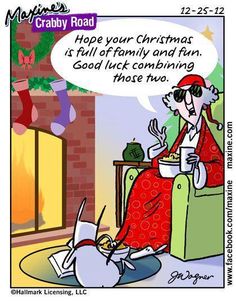
How do you find time for writing when you’re knee deep in wrapping paper and eggnog? Not an easy task, I’ll admit, especially if you’ve added a bit of spice. Okay, I confess, I hate eggnog, even the spiced kind. I prefer wine  with my wrapping.
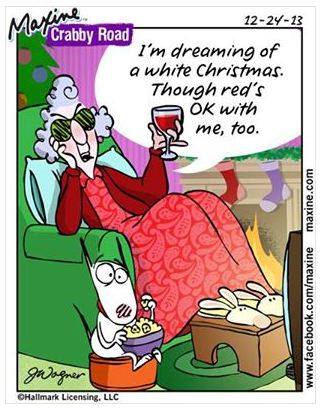
Between the middle of October and January 2nd, finding time dedicated, specifically, to write is like chasing ghosts on Halloween. Like the ghosts, time slips right through our fingers, especially during the Christmas season.

So, in the midst of the madness, here are my tips on how to find that elusive time to write.

  1. Change your expectations. This is a big one for me. Every time I think I’ve set aside time  to write, something or someone intervenes. It’s usually my retired husband, but that’s another topic.
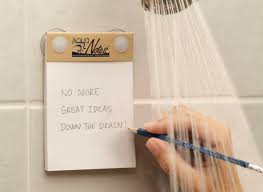
  2. Keep a notebook or pad with you.  I find if I don’t write those sudden flashes of inspiration down when they come, they’re gone. Memory these days is as elusive as time. images-5
  3. Get up early. I’m an early riser. By the time 5:30 AM rolls around I’m up and having a cup of coffee. Those hours when, even,  the birds are still asleep are some of my most productive.
  4. Stay up late. Even 30 minutes makes a difference. The only problem I’ve found with the late hour, is staying up too long, but sometimes you have to follow the character.
  5. Plan ahead and make a to-do list. I’m talking about the Christmas menu, shopping, baking, wrapping, decorating and house chores. Making lists will help prioritize and free up spaces of time you can use to write. In addition, plan blog posts or other writing assignments ahead of time and schedule them to go out during the season. I’ve always relied on lists and at this time of year, having one is essential to my mental health.
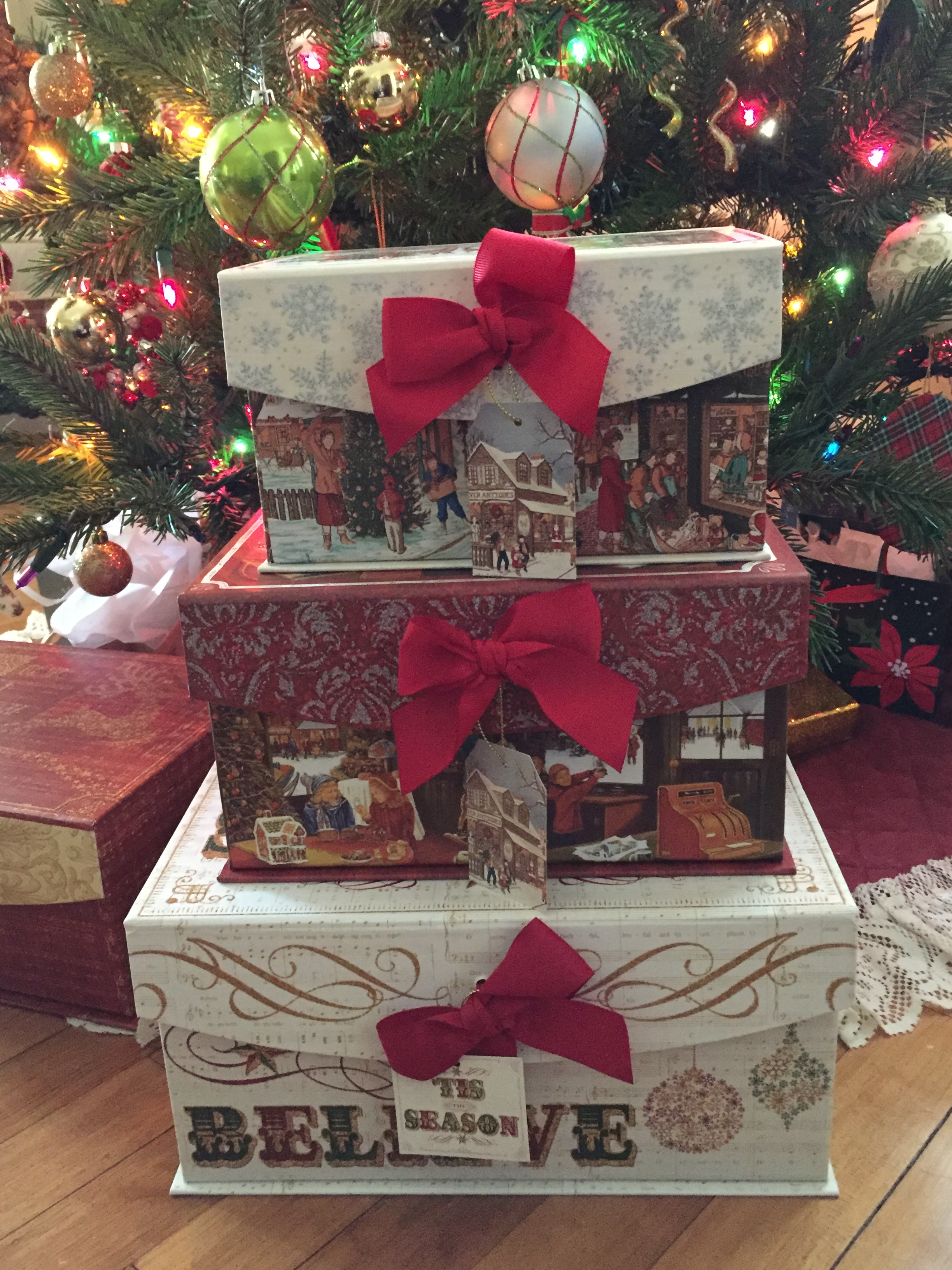
  6. Think outside of the box. Instead of spending hours wrapping presents, have the store wrap them or do as I did. Buy decorative boxes and gift bags. They are beautiful and take a lot less time. IMG_1228
  7. Utilize short spurts of time.  At home I leave my laptop open to my current project and in between tasks, I write. I may only have  5 minutes or 30, but it’s surprising how many words one can  write in a short spurt of time.
  8. Give time to your family.  This may sound counterproductive, however, the Christmas season is a special time for families. It’s the one time of year, I think we should be willing to plan ahead, lay our pens down, extend our arms, and give full attention to our loved ones.

To all my readers and fellow bloggers, I wish for you, time to write, and a very Merry Christmas.

I’d love to hear your comments. Tell me your story. And as always, you can find me on Facebook at SheilaMGoodPinterestBloglovinContently, and Twitter@sheilagood. Say hello and pass it on.

You Asked: The Ultimate Guide to Writing Genre’s

Welcome to another, You Asked, the Experts Answer, segment. This week ‘s question is: What are the major literary genre’s?

In simple terms, genre is the type of story you’re writing and it’s best if you know where your story fits before you begin; however, sometimes it evolves as your storyline develops.

Knowing where your story belongs is important. Agents and editors look for books that fall within the genre they represent and choosing the right one is invaluable in marketing. But, deciding on a genre can be a bit confusing given the number of sub-genre‘s and the way they overlap.

Major Genre’s Include:

  1. Romance
  2. Crime & Mystery
  3. Thrillers
  4. Fantasy
  5. Historical Fiction
  6. Science Fiction
  7. Horror
  8. Literary
  9. Mainstream

In addition, Women’s Fiction and Upmarket Fiction are two genre’s I believe it’s worth mentioning. These two fall between literary and mainstream fiction.

Women’s Fiction is more commercial than literary. Usually written by women, for women, and the stories (about women) appeal to a large mainstream audience. You can find more about this genre at Find Me An Author.

Upmarket Fiction is a blend between literary and commercial fiction. Relatively new, this genre is growing in popularity, especially with agents. Check out Chuck Sambuchino’s, article on Upmarket Fiction at Writer’s Digest.

 Sub-Genre’s:  Too numerous to include in this post, I’ve provided you  these resources for examples of the most popular sub-categories.

  1. Sub-genre DescriptionsWriter’s Digest
  2. Short Prose Genre’s – Writer’s Relief
  3. Sub-genre Definition –  Book Genre
  4. The Book Industry Study Group

To date, there is no complete list of genre’s, but The Book Industry Study Group (BISG), working with publishers, has compiled the most comprehensive list.

To find out more including the most popular genre’s, free downloads, and access to the book genre finder, check these out.

  1. Now Novel outline the major genre’s in their post, Genres of writing: How to choose your story’s vehicle.
  2. Writer’s Digest offers a free genre description download.
  3. Writer’s Relief offers a whole series on Genre Defined.
  4. Book Genre is one of the best sites and offers the book genre finder with complete listings.

In the next segment of, You Asked, the Experts Answer, we’ll look at: How do I identify my books genre?  

I’d love to hear your comments. Talk to me. Tell me your story. And as always, you can follow me on Facebook at SheilaMGood, PinterestBloglovinTwitter@sheilagood, and Contently.

You Asked: What in the Heck are Hashtags?

th-3Welcome to the Cow Pasture’s, You Asked, the Experts Answer.

First up, a question from a recent Twitter chat. “What are hashtags and how do I use them? ”

I’m definitely not the expert on Twitter. So, let’s ask the experts.

Hashtags Defined by Twitter

 “The # symbol, called a hashtag, is used to mark keywords or topics in a Tweet. It was created organically by Twitter users as a way to categorize messages.” 

 How to #Hashtags: 

  • Anyone can use a hashtag.
  • Place the # before a keyword (without spaces) to help categorize Tweets; examples include (#writingcontest, #flashfiction).
  • To find trending topics and those talking about it, search by the #keyword.
  • Can be placed anywhere in a Tweet and as a keyword in a blog post.
  • Use, clear, memorable, and common hashtags (those universally understood).

Advantages of Using Hashtags:

  • Lead to connections.
  • A search by #hashtag will help locate everyone who is talking about the topic.
  • Link’s you to social networks.
  • Increases traffic to your social sites and blog.
  • Can help you develop your own brand (#cowpasturechronicles).
  • People will notice you or your business.

Best Practices:

  • Don’t spam.
  • Don’t overuse hashtags, your message will be lost.
  • Twitter recommends no more than two hashtags per Tweet.
  • Make sure the hashtags you’re using are relevant and on topic.

There you have it, the run down on #hashtags. I hope I answered your questions, but if not, shoot me a note. Have another burning question? Submit it below in the comments.

I’d love to hear your comments. Talk to me. Tell me your story. And as always, you can follow me on Facebook at SheilaMGood, PinterestBloglovinTwitter@sheilagood, and Contently.

Answers to Your Questions Found in the Cow Pasture

 I’m having a wonderful time participating in, Robert Lee Brewer’s,  2015 October Challenge. The Writer’s Digest has been a favorite resource for me since the day I began writing in earnest. So, when the opportunity came to take part in a challenge focused on building and/or improving my platform, he could count me in.

It’s day 15 and I’m pleasantly surprised to find myself ahead of the gameso to speak. Yesterday, while chatting on Twitter with fellow challengers, several people expressed confusion regarding #hashtags. I’m not the expert when it comes to Twitter, but I did my best to answer their questions. The conversation reminded me of an idea for my blog, I’d been tossing around for a while, and decided now was the time.

Each week I’ll answer questions on writing, blogging, or any related topicposed by my readers. I understand many of my readers are way ahead of the curve, but we all have questions from time to time, regardless of one’s experience. I don’t profess to know all the answers, but I can share what I‘ve learned and what the experts say.

So, here’s your chance, ask away. I’ll do my best to find  the answers. Leave your question(s) in the comment section below and check out the first Q & A in my next post.

I’d love to hear your comments. Talk to me. Tell me your story. And as always, you can follow me on Facebook at SheilaMGood, PinterestBloglovinTwitter @cofcmom, and Contently.