Cover Letter Basics

Day 3: 

Cover letters – don’t we dread writing them? When so many magazines have an automated submission process, what is the purpose?

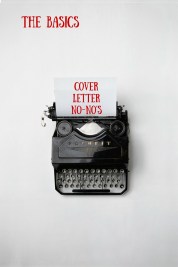
Why do a Cover Letter?Cover Letter
It’s a way to introduce yourself to the editor, and where I come from, an introduction is a polite thing to do.

It tells the editor the basics about your submission – title, word count, and is a good opportunity to indicate your familiarity with the magazine.

Things Not to do:

  1. Don’t screw with the guidelines. Read and follow them to the tee. Taking a gamble won’t win you any points but a straight up rejection.
  2. If you’ve developed a template, make sure you’ve updated the date, editor, magazine, story, and word count. Don’t be careless. It’s not only bad form but bad manners to call someone by another’s name.
  3. Don’t get long-winded. Editors are busy people. One to two paragraphs works fine. Remember this is a cover letter, not a query.
  4. Don’t address the letter, “To Whom it may concern.” It signals the editor that you’re unfamiliar with their magazine.
  5. Don’t wax sentimental about your personal life. It’s a distraction, pegs you as an amateur, and will likely land your submission on the slush pile.

The Basic Things to Do:

  1. Follow the guidelines.
  2. Keep the cover letter to a single page.
  3. Make it simple and succinct.
  4. Limit your bio to no more than a paragraph.
  5. Address the editor by full name and title.
  6. Be mindful of grammar. It matters even in the cover letter.
  7. Include your name, address, email, and phone number as on any business letter.
  8. Include the title of your story, genre, and word count.
  9. Indicate whether it’s a simultaneous submission.
  10. Stick to the format and font outlined in the guidelines; every magazine has their preference.
  11. Keep a copy for your file and link it to the manuscript you submitted.
  12. Update your submission log, including the expected date to hear back/or contest deadline.

What do you think about cover letters? Do they make a difference? Ready to find out, check out my list of Call for Submissions in the sidebar and good luck.

I’d love to hear your comments. Talk to me. Tell me your story and look for me on Facebook at SheilaMGood,  PinterestBloglovinTwitter@sheilagood, and Contently.

Letting Go

Thanks to Rochelle Wisoff-Fields for another Friday Fictioneers Prompt.

PHOTO PROMPT © Marie Gail Stratford

PHOTO PROMPT © Marie Gail Stratford

Looking out the window, all I saw were tall buildings and people. My heart fluttered with fear. I wanted to pack her up and take her home. This sprawling metropolis overwhelmed this small town mom. A person could get lost here.

Her excitement vibrated off the walls of the room. Where she saw adventure, I saw reruns of Dateline and posters of missing loved ones. These were her dreams. The fear all mine.

I wrapped my arms around my daughter. It was time to let go. “I’m so proud of you. You’re gonna love it here.”

I’d love to hear your comments. Talk to me. Tell me your story and look for me on Facebook at SheilaMGood,  PinterestBloglovinTwitter@sheilamgood, and Contently.


Blogging for the Beginners

Day 2: 

There are as many types of blogs on the internet as names in a baby book. The most common, by far, are personal or niche blogs. These cover a gambit of topics including, healthcare, family, travel, book reviews, writing and cooking (to name a few).

Cow Pasture Chronicles has evolved into a blog mostly about writing, tips and resources, and a place to share my stories and on occasion an opinion piece.

images-14When I began blogging more than three years ago, I knew little to nothing about how to blog. Along the way, however, I’ve picked up a few tips I’d like to share.


  1. Determine what type of blog you want – personal, business, or niche (a themed blog).
  2. What’s the main topic?
  3. What do you want to be known for in the blogging community? Expert, Reviewer, Personal blogger, or reporter?
  4. Choose the 3-4 main topics you plan to blog about.
  5. Research the best platform for your blog. WordPress, Blogger (Google’s), and tumbler are some of the most popular.
  6. Research your top competitors. What do you like about their blogs?
  7. Decide how much time and effort you want to put into your blog. Do you want to write content weekly, daily or whenever?
  8. Select the name of your blog carefully. Consider what your blog is about, who your target audience is, and whether you want to make it into a brand. You can read more about selecting a name here. How To Come Up With A Blog Name: 10 Effective Ways To Choose a Name For Your New Blog  from Successful Blogging

Want to know more about starting a blog – check out these articles. Blogpress has an excellent post, 3 Quick Tips To Start A Blog The RIGHT Way, and of course, WordPress support is my go-to resource. There you will find video tutorials on just about everything.

It’s by no means all the things you need to know. Developing your blog is an ongoing process of learning, but I hope this will help.

How long have you been blogging? What type of blog do you have and how did you come up with the name?

I’d love to hear your comments. Talk to me. Tell me your story and look for me on Facebook at SheilaMGood,  PinterestBloglovinTwitter@sheilagood, and Contently.


Advice – Separating the Wheat from the Chaff

Day 1:  #atozchallenge

Flickr

We love receiving good advice, especially from the experts. But, therein lies the rub.

Who are the experts? When we first step out into the web as either a writer or a blogger, we’re hungry for advice; I know I was. Cow Pasture Chronicles was my second blog. I began blogging after the death of my best friend as a way to deal with her loss. You can find that blog, mistakes and all at, Friendship of a Lifetime.  Those entries are full of grammatical errors, but they were heartfelt and served a purpose. Later, I decided to pursue my love of writing, and the Cow Pasture Chronicles was born.

At the time, I didn’t have a clue what the rules for blogging were (whether there were rules) or how to get started. With research and the support of my sister, Jean at Jean’s Writing, I’ve managed to get an okay grasp on what I’m doing (most of the time). But with millions of bloggers, how do you tell which advice to follow and which to toss?

Like everything else, with experience comes wisdom.  Here are my top five valuable and proven expert sites I go to for advice.

For Writers:
  1. Every Writer’s Resource 
  2. Janice Hardy’s Fiction University</a
  3. Jane Friedman
  4. Live, Write, Thrive by C.S. Lakin</a
  5. Writer’s Digest
For Bloggers:
  1. Top 100 Writing Blogs for Authors and Bloggers
  2. Copyblogger
  3. WordPress
  4. Blogging 101
  5. Jeff Goins

The more writers you connect with, find, and follow, the more we learn from each other. We develop lists of favorite blogs based on enjoyment and in many cases, for the author’s expertise. However, sometimes it pays to take a second look at the source.

Red Flags:
  1. When the “expert” seems more concerned with selling than connecting, take a second look. I don’t begrudge a blogger for wanting to earn money, however, spamming me with constant sells pitches or emails offering high-dollar courses, is a red flag.
  2. Bloggers who tout themselves as “experts.” No doubt, some have lots of expertise (see the lists above), but some are just good at marketing. Do your research and check out their experience, credentials, and accomplishments.
  3. What do other bloggers say about the advice they received?

My journey as a blogger and writer has given me the opportunity to meet many people. I’ve come to respect a number of them as experts and rely heavily on their advice. As writers, we’re all at different levels. I treasure the collaboration of others and love to receive feedback from the blogging and writing community. I merely caution you to do your homework. When looking for expert advice, be mindful and separate the wheat from the chaff.

I’d love to hear your comments. Talk to me. Tell me your story and look for me on Facebook at SheilaMGood,  PinterestBloglovinTwitter@sheilagood, and Contently.