Have you ever read a book where you lost who was telling the story? Ever had to flip backwards to determine the speaker? If you have, chances are the author was using more than one point of view (POV).
One of the most important aspects of planning is determining the point of view. Who do you want to tell the story and from what viewpoint. There are three basic viewpoints: First person, second person and third person. They’re variations within each; however, I’m only going to touch on the basic POVs.
First person or the “I” view brings the reader close to the action, making them experience the story along with the character. The following Examples are adapted from one of my stories, Fair is Fair.
“I took my time setting the tray of coffee on the table in the living room. Let him wait. He, along with every reporter in the country had vied for this interview for years. He would wait in the cold for as long as it took, of that I was certain.”
The downside is it’s easy to slip into a mode of “telling versus “showing,” or being too wordy or passive.
Second person POV is told through the voice of a narrator using “you, yours, and you’re.” Although, frequently used in self-help books, second person POV is not often used in fiction writing. Example:
“You don’t the truth. You want me to tell the story the way you think it should be told. You want me to sugar coat the facts so that it doesn’t offend your precious audience’s sensibilities. You get the story my way or not at all.”
The downside is it’s hard to write in second person and do it well without sounding like a self-help book, or sitting in a lecture hall.
Third person POV is told through the narrator’s voice using, “he,” “she,” or “it.” It is the most common POV used in fiction.
“She grew up in a Christian home, believing in forgiveness and the goodness of man. She didn’t believe in capital punishment. Judgment was reserved for God, but that was before. Now, all she could think about was how fast the executioner’s hand would fall.”
The downside of using third person POV is the narrator telling things of which they couldn’t possibly know. Unless it is third person omniscient, the narrator can only see what happens from a single character’s view.
Determining the POV in which to tell your story is important because, as in life, each POV offers a different perspective. Nothing is more frustrating or confusing to a reader than a sudden switch between POV. It jars the reader from the story and creates distance to the main character. If the reader can’t follow, he won’t care about your main character and when they stop caring, they stop reading.
A few times, I’ve found myself turning the pages backward in a book to figure out which character viewpoint I’m reading. It’s frustrating, confusing and reminds me of the famous skit,Who’s on First by Abbott and Costello.
Writing in different POVs is acceptable; however, the key is to have a clear delineation between the changing POVs. This can be accomplished via white space, a new scene, or chapter to indicate the change. Whatever method you use, be consistent and you’ll never end up with the reader asking, Who’s on first?
What about you? Which POV do you use and why? Talk to me. Tell me your story. I’d love to read your comments. You can follow me on Facebook at SheilaMGood and Twitter@cofcmom.
Lord have mercy, the squirrels are loose in Lyman! No, I don’t mean the nut-gathering, fluffy-tail kind. I’m talking about the partying kind. And, they’re having the time of their lives running amok in my brain.
Each morning I sit down intending to write on my novel, blog, or make notes on the story idea that came to me in the middle of the night.
Yet, somewhere between my butt hitting the chair and that first keystroke, the band starts playing.
I’ll just scan my emails first; it shouldn’t take long. In the middle of every email, what do I find? Links! They sound so enticing and I might miss something if I don’t click.
Then, I receive notice from Twitter, “You have a new follower; so and so favorited your tweet…” It would be rude not to reply.
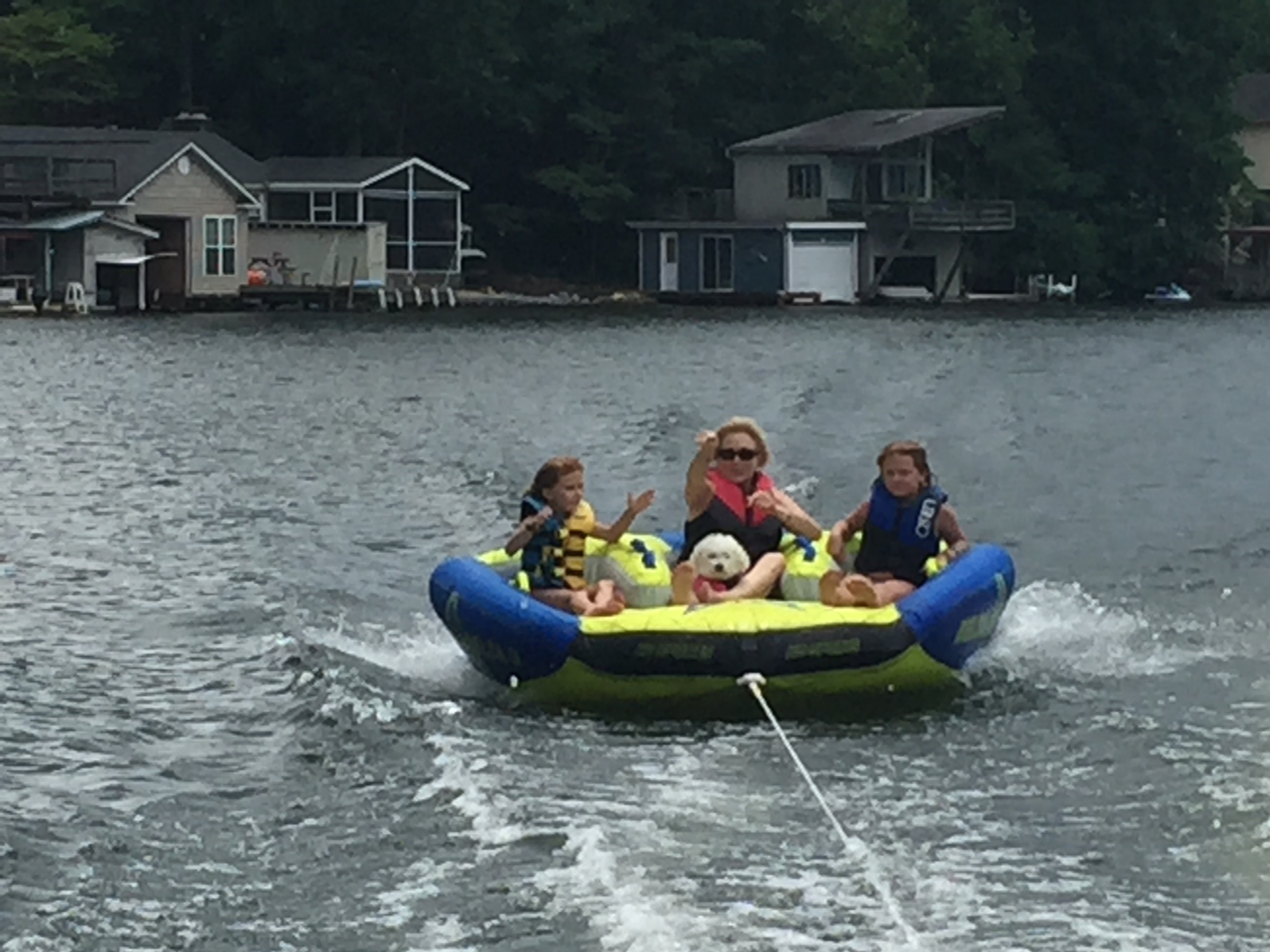
Three hours later, I’ve clicked every link included in the first five emails (I still have two and a half pages left to peruse) and checked out my new followers on Twitter. Before I can’t get through Facebook (damn share buttons) my husband walks in, ” Hey, I have an idea; let’s go shopping then head up to the lake.”
Well, who doesn’t like shopping? And well, I could use a little relaxation.
What about you? Are these beautiful, sunny days feeding the squirrels?
How do you stay focused on writing when FUN is calling your name?
Tips for taming the squirrels:
Make a list of writing projects, in order of importance (deadlines, submissions, contests).
Devote your first hour of the day to writing and nothing but writing.
Schedule blog updates and your WIP on alternate days.
Buy your husband a golf membership or if all else fails, lock him out of the house.
What about you? How do you stay focused during the summer? I’d love to hear from you. Talk to me. Share the tips and be sure to follow me on Twitter or Facebook.




 Lord have mercy, the squirrels are loose in Lyman! No, I don’t mean the nut-gathering, fluffy-tail kind. I’m talking about the partying kind. And, they’re having the time of their lives running amok in my brain.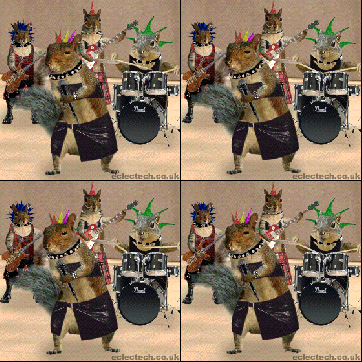


 COW PASTURE CHRONICLES