Queries Can Make Your Knees Shake

Day 17 :  #atozchallenge

Writing a query for the first time can make your knees shake and tremble, or so I’ve heard.

What is a query?

It is a letter of communication pitching either a short form or long form manuscript to a publisher or agent. Short forms include magazine articles, short stories, or poems. Long form – novels, screenplays, non-fiction books, or a collection.

What does a query include?

Essential components of a successful query should include these three things.

  1. The hook – a one-sentence summary of the book.
  2. The pitch – 2 to 3 paragraphs which support your hook and should include who (the protagonist), what (the conflict they face), where (setting), when (time frame), why (stakes) and resolution.
  3. A bio – one paragraph or less, to describe your writing credits and platform.

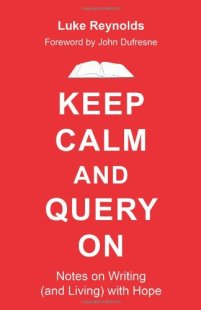
I had the privilege of working on the query for my first novel with Luke Reynolds, author of Keep Calm and Query On (perfect title). His input and direction were invaluable. 415aJ0aVUiL
Where to send it:

Finding the correct agency to send your query will take some research. You want to make sure you’re sending your query to the correct agency and agent. Visit Barnes & Nobles, the library or Amazon and check out books similar to yours. Knowing the competition is key to getting your query and book to the right person and place. And remember, always address the agent by name, never “To Whom it may concern.”

To find the agents best suited for your book, check out Writer’s Market and Land a Literary Agent

Are you ready to query? Want to know more about writing the perfect Query? Stay calm and check out these resources.

If you want to know more about Luke , check out his guest blog for the Cow Pasture Chronicles. You can check it out here: Walking the Walls of a Writer’s Life.

I’d love to hear your comments. Talk to me. Tell me your story and look for me on Facebook at SheilaMGood,  PinterestBloglovinTwitter@sheilamgood, and Contently.


Manuscript – Agent and Editors List

Day 13:  

Are you ready to find the perfect agent for your manuscript? Then you’ll want to check out the Manuscript Wishlist (MSWL).

With an impressive array of agents and editors, this site is all about helping you get your manuscript into the right hands. It couldn’t be any simpler.

MSWL is your go-to place for up to date:

1. Agent lists
2. Editor lists
3. Genre – name filters (parametric search)
4. Keyword Search
Is your manuscript ready for prime time? Looking for an editor or agent, check out MSWL.

I’d love to hear your comments. Talk to me. Tell me your story and look for me on Facebook at SheilaMGood,  PinterestBloglovinTwitter@sheilagood, and Contently.

You Asked: 7 Things You Can do to Identify Your Genre

Welcome to another, You Asked, the Experts Answer, segment. This week ‘s question is: How do I know If I’ve chosen the right genre?  

Choosing a genre is something many writers struggle with and the biggest reason is being  unfamiliar with the different genres. Unfamiliarity breeds confusion, which in turn makes it difficult to know which to choose.

Whether you plan to self-publish or go the traditional route, selecting the right genre is essential for success. After all, you want people to find your book.

Why is Genre so Important?

  1. It gives you clarity for pitching to the right agents.
  2. It’s how the publishing world will view your work.
  3. It’s easier to find your target audience.
  4. Makes it easier for readers to find your book.
  5. Helps you write a succinct pitch.
  6. Helps the industry know how to market your book.

7  Easy Steps to Find Your Genre

  1. Ask yourself: What readers would like my story? What books are similar to mine?
  2. Review Amazon’s bestseller list and check out the list of genre’s.
  3. Go to your neighborhood bookstore, look at where the books are shelved. Fantasy? Mystery?
  4. Select five-six books and  read the descriptions; make a note of the core story in each. What stands out?
  5. Look at titles – can you determine the genre?
  6. On what shelf do you see your book?
  7. Know what your story is about and be able to verbalize it in a succinct manner.

The Downside of Getting it Wrong

  1. You will get rejected and your book will end up in the slush file.
  2. You won’t know how to market your book, which in turn makes it hard to sell.
  3. You’ll miss  your target audience and, likewise, they will miss your book.
  4. Getting it wrong will make agents think twice about you and your work.

We all want to see our books on Amazon or our local bookstore shelves. But, in order to do that, we must not only write a compelling story but know who our audience is and choose the correct genre. For more information, check out these great resources for writers on writing in your genre.

Resources:

  1. Identify Your Novel’s Genre
  2. How to Pick the Right Genre for Your Novel
  3. Where Does My Book Fit? Figuring Out Your Genre
  4. Don’t Know Your Book’s Genre? Here’s What to Do
  5. How to Pick the Right Genre for Your Novel

I’d love to hear your comments. Talk to me. Tell me your story. And as always, you can follow me on Facebook at SheilaMGood, PinterestBloglovinTwitter@sheilagood, and Contently.

How To Pick an Agent (and Live Happily Ever After)

Finding an agent is a thrilling and anxious time. I’m not at that point yet; however, I hope to be soon. Thanks to Ryan Lanz at A Writer’s Path, I have a blueprint, of sorts, to help me through the process. Thanks, Ryan for sharing this valuable information. Take it away.

Please note:  This was originally a guest  post contributed by Christina Dalcher. You can check out more of her articles on her blogChristina has a Ph.D. from Georgetown University in Phonology and Phonetics. 
I’d love to hear your comments. Talk to me. Tell me your story.
And as always, you can follow me on Facebook at SheilaMGood, Pinterest, and  Twitter @cofcmom.