
Are Squirrels Interfering With Your Writing Routine?

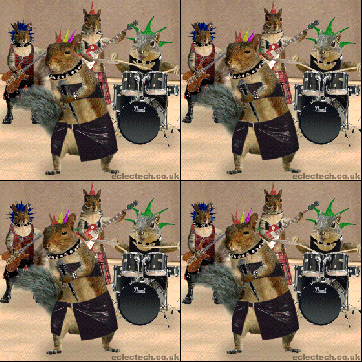
squirels005Lord have mercy, the squirrels are loose in Lyman! No, I don’t mean the nut-gathering, fluffy-tail kind. I’m talking about the partying kind. And, they’re having the time of their lives running amok in my brain.
punkrock

Each morning I sit down intending to write on my novel, blog, or make notes on the story idea that came to me in the middle of the night.

Yet,  somewhere between my butt hitting the chair and that first keystroke, the band starts playing.

 I’ll just scan my emails first; it shouldn’t take long. In the middle of every email, what do I find? Links!  They sound so enticing and I might miss something if I don’t click.

Then,  I receive notice from Twitter, “You have a new follower;  so and so favorited your tweet…” It would be rude not to reply.
hoolahoop

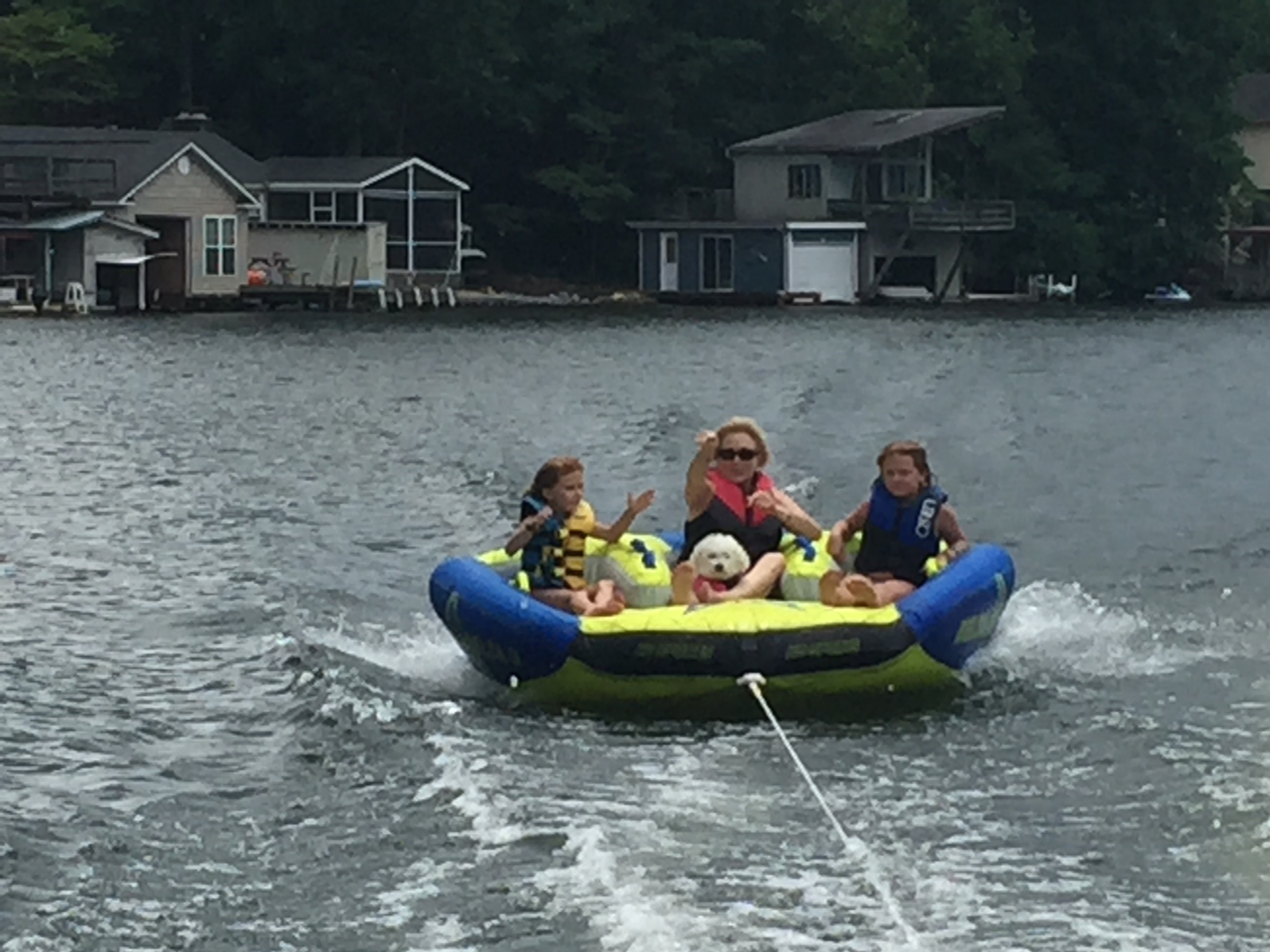
Three hours later, I’ve clicked every link included in the first five emails (I still have two and a half pages left to peruse) and checked out my new followers on Twitter. Before I can’t get through Facebook (damn share buttons) my husband walks in, ” Hey, I have an idea; let’s go shopping then head up to the lake.”

Well, who doesn’t like shopping? And well, I could use a little relaxation.
IMG_0895

What about you? Are these beautiful, sunny days feeding the squirrels?

How do you stay focused on writing when FUN is calling your name?

Tips for taming the squirrels:

  1. Make a list of writing projects, in order of importance (deadlines, submissions, contests).
  2. Devote your first hour of the day to writing and nothing but writing.
  3. Schedule blog updates and your WIP on alternate days.
  4. Check email, Twitter, Facebook, Pinterest, Contently only after that first hour.
  5. Buy your husband a golf membership or if all else fails, lock him out of the house.

What about you? How do you stay focused during the summer? I’d love to hear from you. Talk to me. Share the tips and be sure to follow me on Twitter or Facebook.

Character Building Tools Every Writer Needs

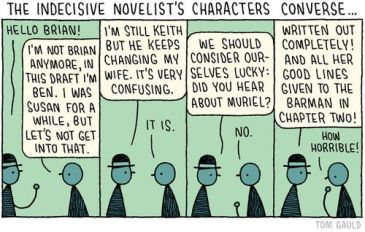
Stories are about people. It is the characters we fall in love with, root for, or sometimes dislike. We notice their quirks, sense of humor, and mannerisms. We relate to their failures, triumphs, and dastardly deeds. But, it is the characters that keep us turning the pages.

f6236cbf75c0073d0c8e72f5a7d5a58f

How we develop characters  differ from writer to writer, but we all start with a vision, even if it’s sketchy.

Some characters, we envision before our pens strike the paper, others appear as the plot thickens. However, developing a character outline or sketch as part of your planning process will not only keep the flow of words moving forward, but provide well-rounded characters that keep readers engaged.

When I began writing fiction, I scoffed at the notion that a character, you hadn’t planned could walk onto the page, until it happened to me. An Irish American man named Richard Donovan stepped on the plane and took a seat next to my main character. Without taking my fingers from the keyboard, I  understood the relationship he’d have with my main character and where he fit within the plot line of my story.

I still had work to do on Mr. Donovan if I wanted him to be anything other than a fly by night (no pun intended) aberration.

Characters are not just a name in a story. They represent a person we want our readers to understand, and relate to. Fully developed characters take thought and planning. We need to know what makes them tick if we have any hope of knowing how they will react or behave in the circumstances of our story.

Whether you clip photos from magazines, keep index cards or a notebook, developing a character is more than physical description. So, I thought I’d share my favorite tools for building and developing characters.

Resources:

Building Believable Characters

buy4._V192207739_

Angela Ackerman has a wonderful post today, 3 Quick Tips to Help Readers Connect to Your Hero. In addition, Angela and Becca Puglisi have written two books specifically designed to help you define your characters.  Check out their  Writers Helping Writers bookstore for complete details.

buy4._V192207739_

 Matt Heron from The Write Practice explains in detail, Scrivener and with a free 30 day offer, now may be the time to give it a try.


What method, tool,  or resources do you use when developing your characters? Tell me what works or doesn’t work for you. I love hearing from you. Talk to me and tell me your story.

Look Out World

She danced with a daring I longed to possess.

She danced as if she owned the stage and everyone in attendance were there to see her.

She danced with freedom, born of innocence and unbridled joy.

She danced with abandonment as if no one watched; yet we were all spellbound.

She danced with grace and spunk; her message loud and clear – look out world here I come.

Written in response to Lillie McFerrin Writes Five Sentence Fiction – This week’s word: Spunk    

Consequences of Telling Single Stories Revealed

A big thanks to Anne Greenawalt from WOW! Women on Writing  for reminding us of the array of resources offered by TED, an educational, video resources for writers and for pointing us to a most moving video.

I must say The Danger of the Single Story by Chimamanda Ngozi Adichie was amazing, inspirational, thought-provoking, and a great way to start the day.

I hope you will take the time to watch and absorb the message so eloquently delivered. In the words of Ms.Ngozi Adichie,

“Stories matter; many stories matter.”


Let me know what you think. What has been your single story?