You Asked: 7 Things You Can do to Identify Your Genre

Welcome to another, You Asked, the Experts Answer, segment. This week ‘s question is: How do I know If I’ve chosen the right genre?  

Choosing a genre is something many writers struggle with and the biggest reason is being  unfamiliar with the different genres. Unfamiliarity breeds confusion, which in turn makes it difficult to know which to choose.

Whether you plan to self-publish or go the traditional route, selecting the right genre is essential for success. After all, you want people to find your book.

Why is Genre so Important?

  1. It gives you clarity for pitching to the right agents.
  2. It’s how the publishing world will view your work.
  3. It’s easier to find your target audience.
  4. Makes it easier for readers to find your book.
  5. Helps you write a succinct pitch.
  6. Helps the industry know how to market your book.

7  Easy Steps to Find Your Genre

  1. Ask yourself: What readers would like my story? What books are similar to mine?
  2. Review Amazon’s bestseller list and check out the list of genre’s.
  3. Go to your neighborhood bookstore, look at where the books are shelved. Fantasy? Mystery?
  4. Select five-six books and  read the descriptions; make a note of the core story in each. What stands out?
  5. Look at titles – can you determine the genre?
  6. On what shelf do you see your book?
  7. Know what your story is about and be able to verbalize it in a succinct manner.

The Downside of Getting it Wrong

  1. You will get rejected and your book will end up in the slush file.
  2. You won’t know how to market your book, which in turn makes it hard to sell.
  3. You’ll miss  your target audience and, likewise, they will miss your book.
  4. Getting it wrong will make agents think twice about you and your work.

We all want to see our books on Amazon or our local bookstore shelves. But, in order to do that, we must not only write a compelling story but know who our audience is and choose the correct genre. For more information, check out these great resources for writers on writing in your genre.

Resources:

  1. Identify Your Novel’s Genre
  2. How to Pick the Right Genre for Your Novel
  3. Where Does My Book Fit? Figuring Out Your Genre
  4. Don’t Know Your Book’s Genre? Here’s What to Do
  5. How to Pick the Right Genre for Your Novel

I’d love to hear your comments. Talk to me. Tell me your story. And as always, you can follow me on Facebook at SheilaMGood, PinterestBloglovinTwitter@sheilagood, and Contently.

Access Denied!

1None of us like to talk about the end of life issues, but Benjamin Franklin’s famous quote, “Nothing is certain but death and taxes,” is true and sooner or later, someone will be dealing with things we’ve left behind.

It seems like yesterday, sassy, opinionated and in the prime of my life, I thought the world was my oyster. But, I blinked and time slipped away faster than water through a sieve.

Now, when I open the paper, friends and acquaintances from high school look back at me from the obituary page. It gives you pause, especially when you notice their ages are within striking distance.

I lost my best friend of 37 years, almost six years ago. She died suddenly and too young.  Afterwards, I made a point of getting things ready for my family. My last Will & Testament is in place, and arrangements made, right down to the last detail.

However, I wasn’t aware these plans should include digital content, all of it. Photos, stories, blogs, Facebook, Instagram, and Pinterest to name a few.

What’s Included in Digital Content?
  • Email accounts
  • Online Searches
  • Digital Manuscripts
  • Facebook
  • Yahoo
  • Google
  • Microsoft
  • Apple
  • YouTube
  • Twitter
  •  Blogs
  • Any other accounts where you have an online presence (too many to mention)
  • Fiction and non-fiction featured in online magazines and journals.
What Do You Want to Happen in the Event of Your Death?
  • Information to remain private?
  • Information and/or accounts deleted?
  • Surviving family members to have access to data?

Unless I specify who has access to these accounts, no one will.

What Can You Do?
  1. Put your wishes in writing.
  2. Google: Go to your account and create an “Inactive Account Manager. Without this, family members will, typically, need a court order to access.
  3. Facebook: You can choose to set up a temporary or a permanent online memorial or delete all content from the social network after you die.  However, a legacy contact most be designated for access. Refer to security/legacy settings.
  4. Yahoo: Based on the privacy terms each user signs, Yahoo will not disclose files and all inactive accounts deleted.
  5. Microsoft: Deletes inactive Outlook/Hotmail accounts; however,  data may be released with a request or a court order.
  6. Twitter: Does not provide anyone access. Your account is deleted upon notification of death.

These steps are not difficult to complete. I took care of my Google and Facebook accounts in a couple of minutes. I would recommend if you haven’t completed a Will, consider it. Not ready to make those plans?  At least write your wishes in a statement, sign, date it, attach a list of all the sites you want  included, and put it in a safe place. And the last thing, talk to your family and make your wishes known.

Talking about these issues are never pleasant, but when the time comes, I want my family to have access and/or a legal right to my words and images. What are your wishes?

What do you think? Have you made arrangements?

I’d love to hear your comments. Talk to me. Tell me your story. And as always, you can follow me on Facebook at SheilaMGood, PinterestBloglovin, Twitter @cofcmom,and Contently.


Tips for the Floundering Tweeter

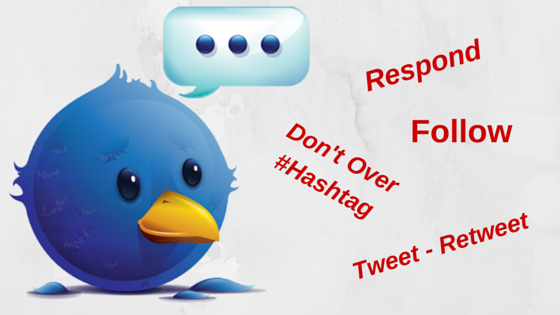
Tips for the Floundering TweeterAlthough, I’ve had a Twitter account for awhile now, I admit I’m not proficient in the use of Twitter. For one, it can be addictive and it’s hard for me to say anything in a 140 characters.  I’ve been working on my Twitter presence and thanks to Kevan Lee at Buffer for his article, Twitter Tips for Beginners, I have a number of tips to share with those of you who, like me, are still floundering beginners or,  just floundering.

Twitter Tips
  1. Unless you don’t want to get anything else done -Don’t read every tweet. According to Kevan, “If you’re following 100 people, you could see 2,200 tweets per day.”  I don’t have that kind of time.
  2. Use Lists: This is something I’ve used for some time now. I currently have nine lists, from writing to politics.
  3. Talk to people. If they tweet, re-tweet, mention, or favor a tweet – recognize them. Say something, after all, Twitter is about connecting with people. In the South, we call not responding – rude!
  4. Use a scheduler. I use Buffer and have for a long time.
  5. Make sure your profile is up to date, professional and says something real about who you are.
  6. Follow as many as you want and more if you can. You follow me, I’m gonna follow you. And, by the way, you can find me on Twitter @cofcmom.
  7. And, Thanks Kevan for this: No. 1 Rule of Tweeting: If you want everyone to see your tweet, don’t start it with an @ symbol. I didn’t have a clue.
  8. You’re not going to be shunned or cut off from Twitter world if you repost a Tweet more than once. Go for it. It’s okay. You might pick up a follower or two.
  9. Don’t forget the # hashtag, but don’t overdo it either. According to Kevan, when you use more than two #’s, engagement drops by 17%. Who knew you could # someone to death. Kevan has a whole article on the science of #hashtags. You can check it out here.

Here’s to Tweeting. I’ll see you on the Twitter playground. I’d love to hear your comments. Talk to me. Tell me your story. And as always, you can follow me on Facebook at SheilaMGood,  Twitter @cofcmom, Tumblr, and Pinterest.


Is Your Manuscript Ready for Primetime?

-POP.jpg

You’ve finally reached the pinnacle, revisions are complete and  your query is perfect and your manuscript ready. You’re anxious to contact agents, but is it really ready for primetime?

Before you hit send, read Ryan Lanz’s, A Writer’s Path16 Query Tips From Literary Agents.