Queries Can Make Your Knees Shake

Day 17 :  #atozchallenge

Writing a query for the first time can make your knees shake and tremble, or so I’ve heard.

What is a query?

It is a letter of communication pitching either a short form or long form manuscript to a publisher or agent. Short forms include magazine articles, short stories, or poems. Long form – novels, screenplays, non-fiction books, or a collection.

What does a query include?

Essential components of a successful query should include these three things.

  1. The hook – a one-sentence summary of the book.
  2. The pitch – 2 to 3 paragraphs which support your hook and should include who (the protagonist), what (the conflict they face), where (setting), when (time frame), why (stakes) and resolution.
  3. A bio – one paragraph or less, to describe your writing credits and platform.

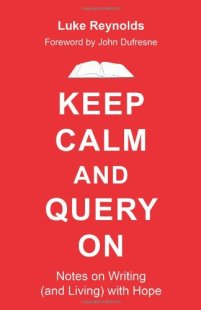
I had the privilege of working on the query for my first novel with Luke Reynolds, author of Keep Calm and Query On (perfect title). His input and direction were invaluable. 415aJ0aVUiL
Where to send it:

Finding the correct agency to send your query will take some research. You want to make sure you’re sending your query to the correct agency and agent. Visit Barnes & Nobles, the library or Amazon and check out books similar to yours. Knowing the competition is key to getting your query and book to the right person and place. And remember, always address the agent by name, never “To Whom it may concern.”

To find the agents best suited for your book, check out Writer’s Market and Land a Literary Agent

Are you ready to query? Want to know more about writing the perfect Query? Stay calm and check out these resources.

If you want to know more about Luke , check out his guest blog for the Cow Pasture Chronicles. You can check it out here: Walking the Walls of a Writer’s Life.

I’d love to hear your comments. Talk to me. Tell me your story and look for me on Facebook at SheilaMGood,  PinterestBloglovinTwitter@sheilamgood, and Contently.


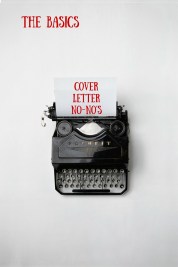
Cover Letter Basics

Day 3: 

Cover letters – don’t we dread writing them? When so many magazines have an automated submission process, what is the purpose?

Why do a Cover Letter?Cover Letter

It’s a way to introduce yourself to the editor, and where I come from, an introduction is a polite thing to do.

It tells the editor the basics about your submission – title, word count, and is a good opportunity to indicate your familiarity with the magazine.

Things Not to do:

  1. Don’t screw with the guidelines. Read and follow them to the tee. Taking a gamble won’t win you any points but a straight up rejection.
  2. If you’ve developed a template, make sure you’ve updated the date, editor, magazine, story, and word count. Don’t be careless. It’s not only bad form but bad manners to call someone by another’s name.
  3. Don’t get long-winded. Editors are busy people. One to two paragraphs works fine. Remember this is a cover letter, not a query.
  4. Don’t address the letter, “To Whom it may concern.” It signals the editor that you’re unfamiliar with their magazine.
  5. Don’t wax sentimental about your personal life. It’s a distraction, pegs you as an amateur, and will likely land your submission on the slush pile.

The Basic Things to Do:

  1. Follow the guidelines.
  2. Keep the cover letter to a single page.
  3. Make it simple and succinct.
  4. Limit your bio to no more than a paragraph.
  5. Address the editor by full name and title.
  6. Be mindful of grammar. It matters even in the cover letter.
  7. Include your name, address, email, and phone number as on any business letter.
  8. Include the title of your story, genre, and word count.
  9. Indicate whether it’s a simultaneous submission.
  10. Stick to the format and font outlined in the guidelines; every magazine has their preference.
  11. Keep a copy for your file and link it to the manuscript you submitted.
  12. Update your submission log, including the expected date to hear back/or contest deadline.

What do you think about cover letters? Do they make a difference? Ready to find out, check out my list of Call for Submissions in the sidebar and good luck.

I’d love to hear your comments. Talk to me. Tell me your story and look for me on Facebook at SheilaMGood,  PinterestBloglovinTwitter@sheilagood, and Contently.

You Asked: Secrets That Will Help You Get Published

Welcome to another, You Asked, the Experts Answer, segment. This week ‘s question is: Is there a secret to getting published in literary magazines?

Well yeah, sort of.  Lincoln Michel, a Buzzfeed contributor, takes us behind the scenes in his two-part article, The Ultimate Guide To Getting Published in a Literary Magazine.

This is one of  the most in-depth articles on getting published I have ever read. We’ve all heard the tips :

  • Submit often
  • Read the magazines
  • Follow the guidelines
  • Proofread

But, we’ve never understood what happens behind the scenes or how literary magazines actually select those they choose to print. Well, now you will. Lincoln goes into great detail about editors, readers, the slush pile, solicited and non-solicited work, and even “carpet bombing.”

“Most editors would probably consider at least 60% of the slush pile to be unpublishable, period. Twenty percent shows promise but needs some work, and 10% is publishable but not in the journal being submitted to. That leaves 10% of work that might deserve real consideration.”

Here’s a few important things I gleaned from the article, but I still encourage each of you to read it in its entirety.

  1. Submissions go first to the slush pile.
  2. 60 % of those in the slush pile are unpublishable.
  3. Acceptance rates are about 1% for good magazines.
  4. Submissions are sometimes solicited by editors or through agents (I had no idea).
  5. 20-100% of works published come from the slush pile.
  6.  Connections are important.
  7. Editors are not the first to read your work, readers are (typically 2).
  8. Readers are volunteers, or students.
  9.  The first paragraph and page is important in making it past the readers.
  10. Persistence in submitting is one of the main keys to success.
  11. Know the Cover letter No-No’s (see the article).
  12. Selective your top 3 to 5 magazines and go for it; again & again.

Where to Find the Right Market for Your Story?

Many sites offer information on Magazines open for submission. Here are my top five resources.

  1. Every Writer’s Resource 
  2. Duotrope
  3. The Review Review
  4. The Writer’s Database
  5. Clifford Garstang’s Pushcart Rankings

I’ve only given you the teasers from the article, but I can tell you it’s one worth keeping for the files. What do you think? Are you seeing submission success? Do you have a favorite market site?

I’d love to hear your comments. Talk to me. Tell me your story. And as always, you can follow me on Facebook at SheilaMGood, PinterestBloglovinTwitter@sheilagood, and Contently.

You Asked: 7 Things You Can do to Identify Your Genre

Welcome to another, You Asked, the Experts Answer, segment. This week ‘s question is: How do I know If I’ve chosen the right genre?  

Choosing a genre is something many writers struggle with and the biggest reason is being  unfamiliar with the different genres. Unfamiliarity breeds confusion, which in turn makes it difficult to know which to choose.

Whether you plan to self-publish or go the traditional route, selecting the right genre is essential for success. After all, you want people to find your book.

Why is Genre so Important?

  1. It gives you clarity for pitching to the right agents.
  2. It’s how the publishing world will view your work.
  3. It’s easier to find your target audience.
  4. Makes it easier for readers to find your book.
  5. Helps you write a succinct pitch.
  6. Helps the industry know how to market your book.

7  Easy Steps to Find Your Genre

  1. Ask yourself: What readers would like my story? What books are similar to mine?
  2. Review Amazon’s bestseller list and check out the list of genre’s.
  3. Go to your neighborhood bookstore, look at where the books are shelved. Fantasy? Mystery?
  4. Select five-six books and  read the descriptions; make a note of the core story in each. What stands out?
  5. Look at titles – can you determine the genre?
  6. On what shelf do you see your book?
  7. Know what your story is about and be able to verbalize it in a succinct manner.

The Downside of Getting it Wrong

  1. You will get rejected and your book will end up in the slush file.
  2. You won’t know how to market your book, which in turn makes it hard to sell.
  3. You’ll miss  your target audience and, likewise, they will miss your book.
  4. Getting it wrong will make agents think twice about you and your work.

We all want to see our books on Amazon or our local bookstore shelves. But, in order to do that, we must not only write a compelling story but know who our audience is and choose the correct genre. For more information, check out these great resources for writers on writing in your genre.

Resources:

  1. Identify Your Novel’s Genre
  2. How to Pick the Right Genre for Your Novel
  3. Where Does My Book Fit? Figuring Out Your Genre
  4. Don’t Know Your Book’s Genre? Here’s What to Do
  5. How to Pick the Right Genre for Your Novel

I’d love to hear your comments. Talk to me. Tell me your story. And as always, you can follow me on Facebook at SheilaMGood, PinterestBloglovinTwitter@sheilagood, and Contently.