Last in the series on genre. What are the major literary genres? In simple terms, genre is the type of story you’re writing and…
Source: You Asked: The Ultimate Guide to Writing Genre’s | COW PASTURE CHRONICLES
Last in the series on genre. What are the major literary genres? In simple terms, genre is the type of story you’re writing and…
Source: You Asked: The Ultimate Guide to Writing Genre’s | COW PASTURE CHRONICLES
From the archives of You Asked,the Experts Answer. This week’s question is: How do I know If I’ve chosen the right genre? Choosing a genre is something many writers struggle with …
Source: You Asked: 7 Things You Can do to Identify Your Genre | COW PASTURE CHRONICLES
I’d love to hear your comments. Talk to me. Tell me your story and look for me on Facebook at SheilaMGood, Pinterest, Bloglovin, Twitter@sheilamgood, Contently, and Instagram. You can follow my reviews on Amazon and Goodreads.
Welcome to another: You Asked the Experts Answer, segment. The question this week – What is plagiarism?
If you’ve been watching television, read anything on social media, or in the news this week, you’re aware of the controversial speech Melania Trump gave on Monday night. Personally, I thought her speech was beautifully given and expressed some of the same values I’ve articulated. However, many don’t see it that way, questioning certain passages as plagiarism.
As writers we’ve repeatedly heard the saying, there is no new story under the sun. Not wanting to plagiarize, I went on the hunt for the original source. There were many quasi-sources, but the most original came from the King James Bible – Ecclesiastes 1:9. Some might argue that the above statement is a common expression and doesn’t need sourcing, but and there in lies the rub. How do we know? You can find out more about, The exception of common knowledge, here
According to the reliable Merriam-Webster Dictionary, Plagiarism -“the act of using another person’s words or ideas without giving credit to that person.” However, it’s more complicated than good old Webster implies.
According to the Harvard Guide to Using Sources, there are six types of plagiarism. You can find out more by clicking on the links below.
As you can see avoiding making mistakes is like walking a tightrope at times and as writers it becomes even more important. Below are a number of resources to help you avoid those nasty pitfalls. In addition, I’ve provided a list of the top plagiarism checkers for you to evaluate.
It’s true, there isn’t anything new in this world and many of us share common values, even words, but it can get sticky. When in doubt, check. In the meantime, write and make your voice heard.
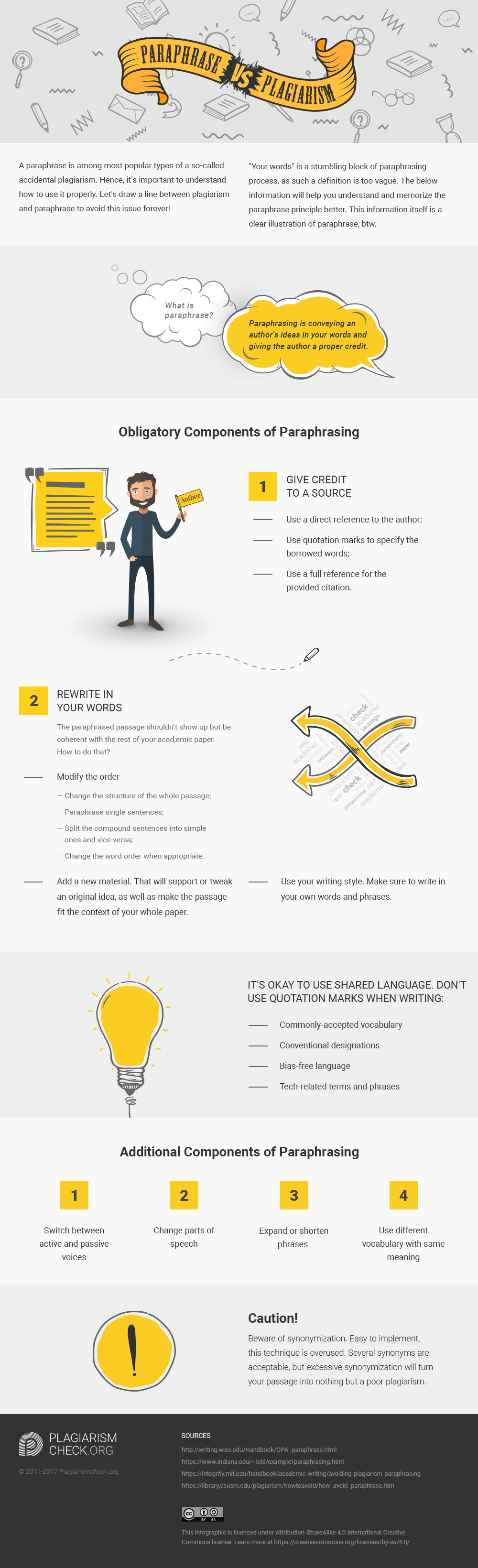
UPDATE: Thanks to Nancy Christinovich, content strategist at plagiarismcheck.org for this infographic.
I’d love to hear your comments. Talk to me. Tell me your story and look for me on Facebook at SheilaMGood, Pinterest, Bloglovin, Twitter@sheilamgood, Contently, and Instagram. You can follow my reviews on Amazon and Goodreads.
 Welcome to another, You Asked, the Experts Answer, segment. This week’s question is: What are Beta Readers and do I need one?
A Beta Reader is someone who reads your manuscript before you release it and provides feedback.
Similar to technology companies who release software updates to Beta Testers for the purpose of identifying any bugs before releasing the software to everyone.
A Beta Reader does the same sort of thing for you. It’s a test run of your manuscript.
No. Critiques, are more in-depth and focused on grammar, plot holes, and the mechanics of writing.
A Beta Reader focuses on reading your manuscript. Feedback received includes their overall impression and any glaring mistakes. They will also provide a review after the release of your book.
Based on what publishers and other experts say, yes. For those who choose to self-publish, using Beta Readers is, particularly, important. By the time we’ve finished a manuscript, our eyes stop seeing the holes or mistakes. Beta Readers are your test readers. Sending a book out into the world without utilizing this valuable resource can make or break your book’s success.
Coming soon, a request for Beta Readers for my soon-to-be-released Collection of Short Stories. More about that later. Until then, I’d love to hear your comments. Talk to me. Tell me your story and look for me on Facebook at SheilaMGood, Pinterest, Bloglovin, Twitter@sheilamgood, Contently, and Instagram.


 COW PASTURE CHRONICLES