 Trying to get through the editing process, perfecting my queries, and the dreaded synopsis (more to come on that) I plan to get back to writing short stories and flash fiction, and then I plan to submit my work to competitions. It’s a great way to get feedback.
The problem with competitions is they are often time restrictive with deadlines that don’t always meet my writing schedule. Thanks to the AutoCrit blog, I have a great list of regular online competitions, both paid and unpaid. Check them out their post, Regular Online Competitions for Writers, along with the pointers on why we should submit, as well as what to watch for.
Writing Competitions Available
FREE ENTRY:
- Drue Heinz Literature (LINK HERE) – Entry Fee: Free; Word Count: 150 -300 typed pages; Prize: $15000 and publication.
- New Voices Award (LINK HERE) – Entry Fee: Free; Word Count: 1500 words; Prize: $2000 and publication.
- W.Y. Boyd Literary Award for Excellence in Military Fiction (LINK HERE)- Entry Fee: Free; Word Count: Unspecified; Prize: $5000.
- Friends of American Writers Chicago Awards (LINK HERE)– Entry Fee: Free; Word Count: Unspecified; Prize: Varies between $500 and $2,000.
- Words & Brushes (LINK HERE)– Entry Fee: Free; Word Count: 2000 – 5000 words; Prize: $350 and publication.
ENTRY FEES:
- American Short Fiction (LINK HERE) – Entry Fee: $17.00; Word Count: 1000 limit; Prize: $1000 and publication.
- White review short story (LINK HERE)- Entry Fee: £15; Word Count: 2000 – 7000 words; Prize: £2500 or $3000 and feedback.
- ABR Elizabeth Jolley Short Story (LINK HERE) – Entry Fee: $25; Word Count: 2000 – 5000 words; Prize: $7000 and publication.
- Writer’s Digest Annual Writing Competition (LINK HERE) – Entry Fee: Varies; Word Count: Varies; Prize: Varies.
And don’t forget one of my favorite competitions:
- WOW – Women on Writing – Quarterly Flash Fiction Contest – Entry Fee: $10.00; Word Count: Maximum: 750; Minimum: 250; First Place: $400.00 cash prize; Second Place – $300.00 cash prize; Third Place: $200.00 cash prize; All winners receive: a $25 Amazon Gift Certificate; Entry published on WOW! Women On Writing; Interview on the WOW! Women On Writing Blog.
- Quarterly Creative Non-fiction Essay Contest – Entry Fee: $12.00; First Place:$500.00 cash prize; Second Place: $300.00 cash prize; Third Place: $200.00 cash prize; All winners receive: Entry published on WOW! Women On Writing; Interview on the WOW! Women On Writing Blog.
So, let’s get those keyboards going, dust off an old story and spruce it up, or let your muse run wild! Good luck and happy submissions.

I’d love to hear your comments. Talk to me. Tell me your story. I’m all ears and look for me on Facebook at SheilaMGood, Pinterest, Bloglovin, Twitter@sheilamgood, Contently, and Instagram. You can follow my reviews on Amazon and Goodreads.




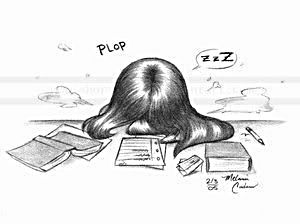 And, I thought writing the novel was a daunting task. It is more fun, for sure, but editing is tedious mind-numbing work. It can become overwhelming especially to those of us new to the craft of writing novels.
 The six main points:
 COW PASTURE CHRONICLES