Character Building Tools Every Writer Needs

Stories are about people. It is the characters we fall in love with, root for, or sometimes dislike. We notice their quirks, sense of humor, and mannerisms. We relate to their failures, triumphs, and dastardly deeds. But, it is the characters that keep us turning the pages.
f6236cbf75c0073d0c8e72f5a7d5a58f

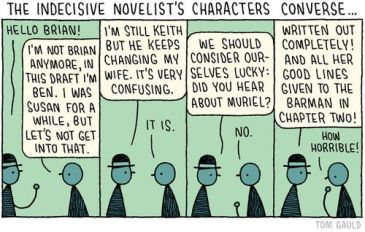
How we develop characters  differ from writer to writer, but we all start with a vision, even if it’s sketchy.

Some characters, we envision before our pens strike the paper, others appear as the plot thickens. However, developing a character outline or sketch as part of your planning process will not only keep the flow of words moving forward, but provide well-rounded characters that keep readers engaged.

When I began writing fiction, I scoffed at the notion that a character, you hadn’t planned could walk onto the page, until it happened to me. An Irish American man named Richard Donovan stepped on the plane and took a seat next to my main character. Without taking my fingers from the keyboard, I  understood the relationship he’d have with my main character and where he fit within the plot line of my story.

I still had work to do on Mr. Donovan if I wanted him to be anything other than a fly by night (no pun intended) aberration.

Characters are not just a name in a story. They represent a person we want our readers to understand, and relate to. Fully developed characters take thought and planning. We need to know what makes them tick if we have any hope of knowing how they will react or behave in the circumstances of our story.

Whether you clip photos from magazines, keep index cards or a notebook, developing a character is more than physical description. So, I thought I’d share my favorite tools for building and developing characters.

Resources:

Building Believable Characters

buy4._V192207739_

Angela Ackerman has a wonderful post today, 3 Quick Tips to Help Readers Connect to Your Hero. In addition, Angela and Becca Puglisi have written two books specifically designed to help you define your characters.  Check out their  Writers Helping Writers bookstore for complete details.

buy4._V192207739_

 Matt Heron from The Write Practice explains in detail, Scrivener and with a free 30 day offer, now may be the time to give it a try.

 

What method, tool,  or resources do you use when developing your characters? Tell me what works or doesn’t work for you. I love hearing from you. Talk to me and tell me your story.

Consequences of Telling Single Stories Revealed

A big thanks to Anne Greenawalt from WOW! Women on Writing  for reminding us of the array of resources offered by TED, an educational, video resources for writers and for pointing us to a most moving video.

I must say The Danger of the Single Story by Chimamanda Ngozi Adichie was amazing, inspirational, thought-provoking, and a great way to start the day.

I hope you will take the time to watch and absorb the message so eloquently delivered. In the words of Ms.Ngozi Adichie,

“Stories matter; many stories matter.”


Let me know what you think. What has been your single story?

Three Coaching Resources to Help You Finish that Novel

write-a-book I’ll admit, in the beginning writing a novel seemed as foreign to me as speaking intelligible French on my trip to Paris last year. The fact I didn’t know the language didn’t sway me. Besides, I had a niece living in Paris and a daughter who had retained some French from her high school days  at my side.  What could go wrong? As it turns not, nothing. I had the best resources available to me (minus the french guide) and it turned out the trip of a lifetime.

However, I’ve discovered writing a novel is a harder journey to make. In spite of reading dozens of how-to books and journals, I became overwhelmed.  ARC? Structure? Pinch point? Voice? POV?  I needed a translator.

After procrastinating, I decided to pull my WIP (current work in progress) from the dusty files of my desk. Apply the things I’d learned from the best of the best story coaches and finish the damn thing.

My Top Three

1.When it comes to my current WIP, no other story coach has helped me improve my process more than Larry Brooks, from Storyfix.com. Larry has written six novels, two best-selling books on writing (a third to come out this August) and offers coaching services. The tutorial on Concept and Premise made me sit up and take notice.  Don’t miss this valuable information. You can find it here. And, if you’re serious about writing a novel, check out his book, Story Engineering.


2. Janice Hardy at Fiction University is another great resource. Her book, Planning Your Novel: Ideas and Structure, will help you nail it.

In addition, she offers an excellent workshop that will help you get your novel in tiptop shape. Revise Your Novel in 31 Days,


3. A novelist, copywrite editor, and writing coach, C.S. Larkin is another favorite. I don’t miss a day reading and taking notes from her blog, Live Write Thrive. If writing a novel has left you confused, her new book, The 12 Key Pillars of Novel Construction: Your Blueprint for Building a Strong Story,  will walk you through the process.

She has  also written, Writing the Heart of Your Story, Shoot Your Novel, and Say What? The Fiction Writer’s Handy Guide to Grammar, Punctuation, and Word Usage. A tremendous resource, I encourage you to check out her books; all are available on Amazon.

What about you?

Do you have a WIP gathering dust or hidden away in a drawer? If so, I hope you feel inspired knowing these great resources are right at your fingertips.

I’m nearly 40,000 words into my novel and with the help of these excellent coaches and mentors, I intend to finish Hello Hell, one way or the other.  I’ll keep you abreast of my progress and you can keep me on task. So, stay tuned and let me know what you think. How’s your story going? Who will tell it if you don’t?

As always, I love feedback and comments.

I am One of the Millions – an Essay

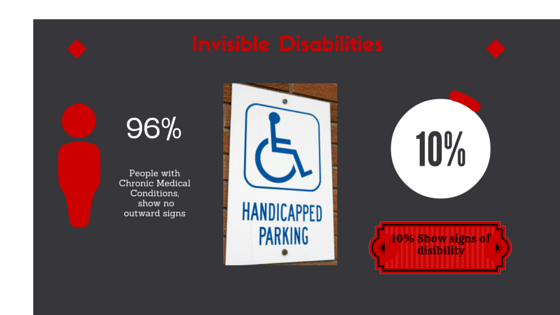
Invisible Disability graphics


Please Check out my Essay, I am One of the Millions, published on Angie’s Diary. It is a very personal essay on a matter close to my heart. I’d love to hear what your thoughts are on this topic. Comments & feedback are welcome, both here and on Angie’s Diary in the comment section.