It’s time to write and perfect your query letter, but where to start? How long should a query be and what do I need to include?
What is a Query?
The purpose of the query letter is to entice an agent or editor to read and/or request your manuscript. 100-200 words are sufficient for most novels. Plain and simple – it’s a sales pitch.
Some Do’s and Don’ts:
Do’s:
- Your research. Make sure you are sending your query to the right agent, and the reason is for sending it to her/him is clear. “According to your agency’s website, you are actively seeking…”
- Set up your story by conveying what your main character wants above all else and what’s preventing her/him from getting it. Show who your character is. What are they up against and what they’re made of.
- Show strong actions, consequences, and emotions.
- Include a concise summary of your novel’s statistics and appropriate comparative works.
- Close with a short and bio paragraph.
Don’ts:
- Be careful with accolades or listing accomplishments. If you include any, include only the most relevant.
- Make sure your comp title only if it gives the agent a clear sense of your story and style.
- Be vague.
- Forget to thank the agent
- Stories are subjective. One agent may love it, another hate it, but don’t give up. Be patient and query on.
Five Essential Elements of a Query:
- What you’re selling: genre/category, word count, title/subtitle
- Hook – Protagonist, the stakes, and the thing that sets your story apart.
- Bio: an option for unpublished fiction writers
- Personalization – customize the letter to the agent or editor
- Closing – ‘thank you.’
Remember, this will be, perhaps, your one and only chance with this agent to draw them into your story and ask for more. So, do your homework.
Where to find the Right Agent
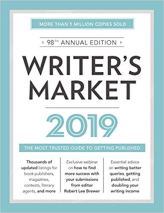
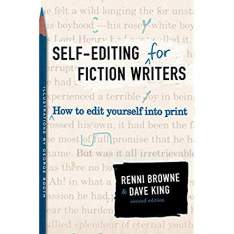
Resources:
What are your tips on writing queries?
I’d love to hear your comments. Talk to me. Tell me your story. I’m all ears and look for me on Facebook at SheilaMcIntyreGood, Pinterest, Bloglovin, Twitter@sheilamgood, Contently, and Instagram. You can follow my reviews on Amazon and Goodreads.
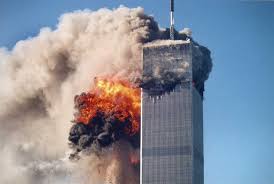
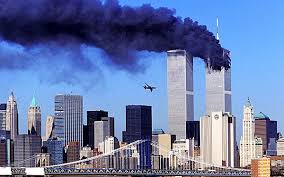
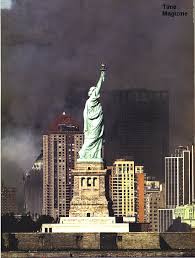
 Let us NEVER forget 9/11/2001. Today is the 17th anniversary of the worst terrorist attack in our nation. To see the original news coverage check out: Flashback 9/11: As It Happened






 COW PASTURE CHRONICLES