Dictionaries for the Writer

Day 4

Wikipedia.org

Don’t you hate it when the word you want to write escapes you? There’ve been times I’ve stared at my computer screen repeatedly saying the word aloud as if it would magically appear.

That sort of magic rarely happens, so I’ve collected a number of dictionaries at my disposal, and they have proven to be life savers.

My Top 20 Dictionaries for Writers:

  1. Merriam-Webster
  2. Your Dictionary
  3. The Dialect Dictionary
  4. Written Sound
  5. Urban Dictionary
  6. Net lingo
  7. Word Hippo
  8. Visual Words
  9. Idioms and Phrases Free Dictionary
  10. Words to Use
  11. Grammar Definitions
  12. Literature Glossary
  13. Glossary of Books
  14. Wordnik
  15. Cliché Finder
  16. Grimace Project.net
  17. Southernisms
  18. Nonverbal Dictionary
  19. 100 Words for Facial Expressions
  20. One Look Dictionary

Do you have a favorite dictionary you use? Feel free to add to my list and pass it on.

I’d love to hear your comments. Talk to me. Tell me your story. You can find me on Facebook at SheilaMGood,  PinterestBloglovinTwitter@sheilagood, and Contently.

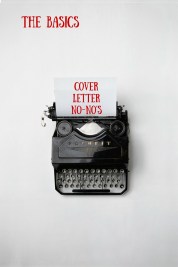
Cover Letter Basics

Day 3: 

Cover letters – don’t we dread writing them? When so many magazines have an automated submission process, what is the purpose?

Why do a Cover Letter?Cover Letter

It’s a way to introduce yourself to the editor, and where I come from, an introduction is a polite thing to do.

It tells the editor the basics about your submission – title, word count, and is a good opportunity to indicate your familiarity with the magazine.

Things Not to do:

  1. Don’t screw with the guidelines. Read and follow them to the tee. Taking a gamble won’t win you any points but a straight up rejection.
  2. If you’ve developed a template, make sure you’ve updated the date, editor, magazine, story, and word count. Don’t be careless. It’s not only bad form but bad manners to call someone by another’s name.
  3. Don’t get long-winded. Editors are busy people. One to two paragraphs works fine. Remember this is a cover letter, not a query.
  4. Don’t address the letter, “To Whom it may concern.” It signals the editor that you’re unfamiliar with their magazine.
  5. Don’t wax sentimental about your personal life. It’s a distraction, pegs you as an amateur, and will likely land your submission on the slush pile.

The Basic Things to Do:

  1. Follow the guidelines.
  2. Keep the cover letter to a single page.
  3. Make it simple and succinct.
  4. Limit your bio to no more than a paragraph.
  5. Address the editor by full name and title.
  6. Be mindful of grammar. It matters even in the cover letter.
  7. Include your name, address, email, and phone number as on any business letter.
  8. Include the title of your story, genre, and word count.
  9. Indicate whether it’s a simultaneous submission.
  10. Stick to the format and font outlined in the guidelines; every magazine has their preference.
  11. Keep a copy for your file and link it to the manuscript you submitted.
  12. Update your submission log, including the expected date to hear back/or contest deadline.

What do you think about cover letters? Do they make a difference? Ready to find out, check out my list of Call for Submissions in the sidebar and good luck.

I’d love to hear your comments. Talk to me. Tell me your story and look for me on Facebook at SheilaMGood,  PinterestBloglovinTwitter@sheilagood, and Contently.

Advice – Separating the Wheat from the Chaff

Day 1:  #atozchallenge

Flickr

We love receiving good advice, especially from the experts. But, therein lies the rub.

Who are the experts? When we first step out into the web as either a writer or a blogger, we’re hungry for advice; I know I was. Cow Pasture Chronicles was my second blog. I began blogging after the death of my best friend as a way to deal with her loss. You can find that blog, mistakes and all at, Friendship of a Lifetime.  Those entries are full of grammatical errors, but they were heartfelt and served a purpose. Later, I decided to pursue my love of writing, and the Cow Pasture Chronicles was born.

At the time, I didn’t have a clue what the rules for blogging were (whether there were rules) or how to get started. With research and the support of my sister, Jean at Jean’s Writing, I’ve managed to get an okay grasp on what I’m doing (most of the time). But with millions of bloggers, how do you tell which advice to follow and which to toss?

Like everything else, with experience comes wisdom.  Here are my top five valuable and proven expert sites I go to for advice.

For Writers:
  1. Every Writer’s Resource 
  2. Janice Hardy’s Fiction University</a
  3. Jane Friedman
  4. Live, Write, Thrive by C.S. Lakin</a
  5. Writer’s Digest
For Bloggers:
  1. Top 100 Writing Blogs for Authors and Bloggers
  2. Copyblogger
  3. WordPress
  4. Blogging 101
  5. Jeff Goins

The more writers you connect with, find, and follow, the more we learn from each other. We develop lists of favorite blogs based on enjoyment and in many cases, for the author’s expertise. However, sometimes it pays to take a second look at the source.

Red Flags:
  1. When the “expert” seems more concerned with selling than connecting, take a second look. I don’t begrudge a blogger for wanting to earn money, however, spamming me with constant sells pitches or emails offering high-dollar courses, is a red flag.
  2. Bloggers who tout themselves as “experts.” No doubt, some have lots of expertise (see the lists above), but some are just good at marketing. Do your research and check out their experience, credentials, and accomplishments.
  3. What do other bloggers say about the advice they received?

My journey as a blogger and writer has given me the opportunity to meet many people. I’ve come to respect a number of them as experts and rely heavily on their advice. As writers, we’re all at different levels. I treasure the collaboration of others and love to receive feedback from the blogging and writing community. I merely caution you to do your homework. When looking for expert advice, be mindful and separate the wheat from the chaff.

I’d love to hear your comments. Talk to me. Tell me your story and look for me on Facebook at SheilaMGood,  PinterestBloglovinTwitter@sheilagood, and Contently.

The Struggle of Backstory

Back Story-2Many things go into the process of writing a novel. There are innumerable books and websites to help you bring the dream of your novel to fruition.

The dreaded backstory or info dump, is one of the elements that give many authors grief, including me.

As I began my journey, everything I read said to avoid info dumps and backstory. I wondered why. Isn’t the history of what drives your character the foundation of your story? It left me confused and, at times, discouraged.

I wrote and re-wrote chapters trying to make sure I wasn’t introducing too much or too early. Maybe that’s the newbie author in me but thanks to Lisa Cron from Writer Unboxed  I finally have a grasp on the concept of when and how to use backstory effectively.

Backstory is important, even in the first chapter. The key is to make it seamless. Lisa gives numerous examples from published novels which clarified this issue for me better than anything I’ve read or studied to date.

So, if you’re struggling with the backstory issue, check out The Shocking Truth About Info Dumps.

I’d love to hear your comments. Talk to me. Tell me your story and look for me on Facebook at SheilaMGood,  PinterestBloglovinTwitter@sheilagood, and Contently.